How to Bake Your First Gluten-Free Loaf at Home
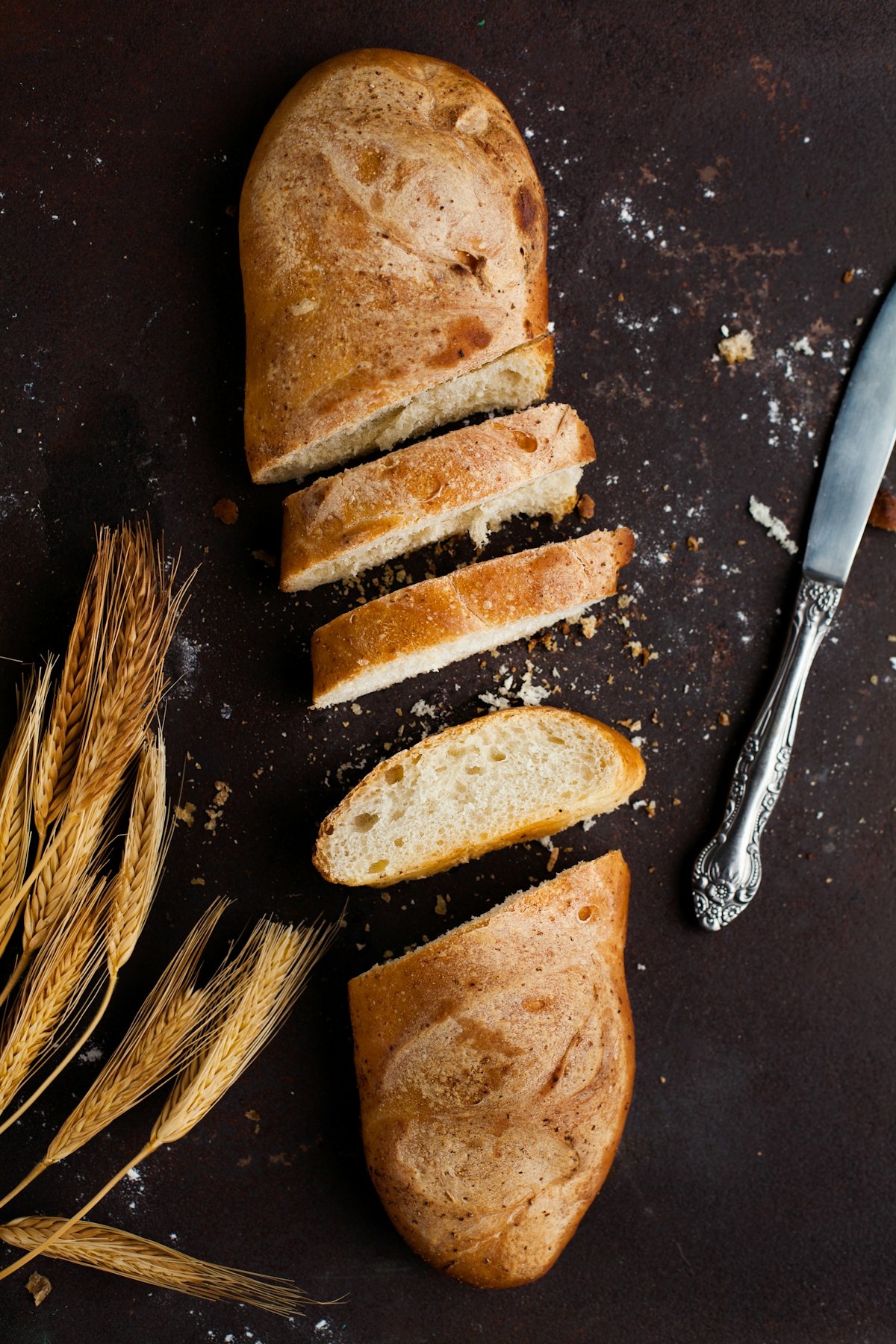
Gluten-free bread can feel a bit intimidating the first time you bake it. If you’ve had loaves turn out dense, gummy, dry, or hard to slice before, you’re not alone, and it doesn’t mean you’re bad at baking.
This guide is here to make your first Simple Bake loaf feel calmer and more predictable. Start with your fresh-made gluten-free bread premix, follow the steps, let the loaf cool properly, and give yourself permission to learn as you go.
What makes gluten-free bread special?
Gluten-free bread is quite different from traditional bread, mainly because it doesn’t rely on gluten for its stretch and structure. Instead, it uses a mix of flours, starches, fibres, and liquids, along with careful mixing, baking, and cooling to create the perfect bread.
Because of this, gluten-free bread can behave a bit differently than regular wheat bread. It might feel stickier when you're mixing it, need a little extra time to cool before slicing, and the crumb can be more delicate while it’s still warm.
The great news is that you don’t have to figure out all the measurements yourself! A good gluten-free bread premix gives you a solid starting point, so you can focus on the fun parts of baking without stressing about balancing every ingredient.
Before you dive in, let’s gather everything you’ll need. This will make the process much smoother and enjoyable! Here’s your checklist:
- Simple Bake gluten-free bread premix
- Water (check your package for the right amount)
- Oil (also according to your package)
- A mixing bowl
- A spoon or spatula
- A loaf tin, baking tray, or Dutch oven
- Baking parchment or oil for greasing, if needed
- A cooling rack
- A bread knife for slicing your beautiful loaf once it’s cooled down
Don’t forget to peek at the instructions on your Simple Bake package before you get started, as your specific method might vary a bit! Happy baking!
Step-by-step: baking your first bread
Get your tin and oven ready
Prepare your loaf tin first so the dough can go in smoothly once mixed. If your tin tends to stick, line it with baking parchment or lightly grease it.
Preheat your oven according to the pack instructions. Gluten-free bread benefits from a steady oven temperature, so try not to rush this step.
Mix the premix with your wet ingredients.
Add the Simple Bake premix to your mixing bowl, then add the water and oil as directed on your pack.
Mix until everything is fully combined. Gluten-free bread dough can look more like a thick batter or paste than traditional kneaded bread dough, so don’t worry if it doesn’t feel stretchy or elastic. That’s normal.
Scrape down the sides of the bowl so no dry patches are hiding at the bottom.
Transfer to the loaf tin.
Spoon the mixture into your prepared tin and smooth the top gently with a spatula or the back of a spoon.
Try not to overwork it. You’re simply helping the mixture settle evenly in the tin.
Bake according to the pack instructions.
Bake your loaf for the time and temperature stated on your Simple Bake pack.
While it bakes, look for simple signs that the loaf is setting properly. The top should look firm, the kitchen should start to smell warm and toasty, and the loaf should feel more structured than when it went in.
Avoid opening the oven too often. A quick check near the end is fine, but repeated opening can disturb the bake.
Cool fully before slicing: This is one of the most important steps.
Gluten-free bread can continue setting as it cools. If you slice it too early, the crumb may seem gummy or wet even if the loaf has baked properly.
Let the loaf cool in the tin for a short time if the pack instructions say so, then move it to a cooling rack. Give it enough time to cool before cutting your first slice.
It’s tempting to cut into warm bread straight away. If you can wait, you’ll usually get a cleaner slice and a better crumb.
What should your first bread look and feel like?
Your loaf doesn’t need to look perfect. A home-baked gluten-free loaf may have a rustic top, a slightly different rise from wheat bread, or a more delicate crumb.
What you’re aiming for is:
• A loaf that feels set, not wet or collapsed
• A crumb that slices cleanly once cooled
• A crust that smells warm and toasty
• Slices that can be eaten fresh, toasted, or frozen for later
If your first loaf isn’t exactly how you imagined, don’t be discouraged. Small changes in oven temperature, tin size, cooling time, and slicing can all affect the final result.
Common First-Loaf Concerns
Why is my gluten-free bread gummy?
It can be really frustrating to deal with gummy gluten-free bread. One of the most common reasons for this is slicing it too soon. Gluten-free bread needs time to cool and set, just as we need a little time to gather ourselves after a busy day. If the loaf is underbaked, if too much liquid was added, or if steam gets trapped during storage, it can also lead to that gummy texture. Next time, try following the liquid measurements closely, allowing the loaf to bake for the full recommended time, and giving it a chance to cool completely before slicing. You’ve got this!
Why did my Bread sink?
Seeing your loaf sink can be disheartening, but there’s often a simple explanation. A loaf can sink if it is disturbed too early, if it’s underbaked, or if the structure hasn’t fully set. It’s tempting to peek inside the oven, but try to resist the urge! Make sure to bake for the full time specified on the package. If your loaf dips slightly but still slices beautifully and tastes delicious, don’t worry, it may still be perfectly fine to enjoy.
Why does the dough look sticky?
You might notice that gluten-free bread dough looks stickier than wheat dough, and that can be a bit concerning. But rest assured, this is completely normal! The stickiness doesn’t mean something has gone wrong; rather, it’s simply the nature of gluten-free dough. Since there’s no gluten to give it that stretchy texture, it might feel more like a thick batter. Just follow the package instructions, and remember that making gluten-free bread is a unique process.
Can I toast it?
Absolutely! Toasting gluten-free bread can really bring out its flavour and improve its texture. Many people find that it makes the slices feel more structured, especially after freezing. Experiment with different toppings, whether it’s butter, jam, eggs, avocado, or a warm bowl of soup, to make it even more enjoyable.
Can I freeze it?
Yes, you can definitely freeze gluten-free bread! It often freezes well, especially when sliced first. Allow the loaf to cool completely, slice it, and then freeze the slices with a little space between them so you can easily grab what you need. You can toast the slices straight from the freezer or let them thaw before using.
How to Slice and Store Your Bread
Once your loaf has fully cooled, take a moment to use a sharp bread knife and a gentle sawing motion to slice it. Be careful not to press down too hard, as the gluten-free crumb can be more delicate than what you might be used to with wheat bread.
If you plan to enjoy the loaf soon, follow the storage instructions on the package. For longer-lasting enjoyment, slicing and freezing are great options. A thoughtful freezer routine allows one loaf to provide several breakfasts, lunches, or quick snacks without the stress of finishing it all at once. Remember, each loaf is an accomplishment, and you’re on the right path!
Your first loaf doesn’t need a complicated recipe: Start with simple, comforting uses.
Try:
• Toast with butter and jam
• Toasted slices with eggs
• Soup and toast
• Open sandwiches
• Lunchbox slices
• Toasted cheese-style toppings
• Freezer slices for busy mornings
If you’re new to gluten-free bread, toasting is often the easiest way to get a lovely texture and warm, familiar flavour.
A Few Friendly Tips for Your First Bake
- Make sure to read the package instructions all the way through before you dive in. It’ll give you a good idea of what to expect!
- Take your time measuring the water and oil; precision makes a difference.
- Mix everything really well until there are no dry bits left. You want a nice, smooth dough!
- Don’t worry if the dough doesn’t feel like regular wheat bread dough; that’s totally normal.
- Try not to open the oven too often; it’s best to let your loaf rise and bake without interruptions.
- Let your bread cool completely before slicing it; this helps keep the texture just right.
- If you want easy portions later, slice the bread before freezing it.
- For a firmer texture, give those slices a quick toast!
And remember, one loaf doesn’t define your baking skills. Gluten-free baking has its own special flow, and every bake teaches you something new. Enjoy the process!
Why We Love Starting with a Freshly Made Premix at Simple Bake
At Simple Bake, we understand that everyone craves the warmth and comfort of fresh, gluten-free bread at home, but not everyone has the time or energy to whip up a recipe from scratch. That’s why we created our easy-to-use premix just for you!
Each order is made fresh and heat-sealed, giving you a delightful way to kickstart your baking adventure. Instead of fussing with measuring different flours and binders, you can dive right in with our specially crafted gluten-free premix. This means you can focus on the fun of baking without the stress!
We want your first loaf to feel like a joyous experience, not a complicated science project.
So, are you ready to bake your first loaf?
If you’ve been missing that fresh-baked bread smell, just remember to keep it simple! Grab your Simple Bake gluten-free bread premix, follow the simple steps, let the bread cool, and enjoy that first warm slice, toasted and slathered with your favourite topping.
And don’t worry, your first loaf doesn’t have to be perfect. It just needs to be a happy beginning! Enjoy the process!

Comments
Post a Comment